The Quest for Overunity Devices and the Promise They Hold
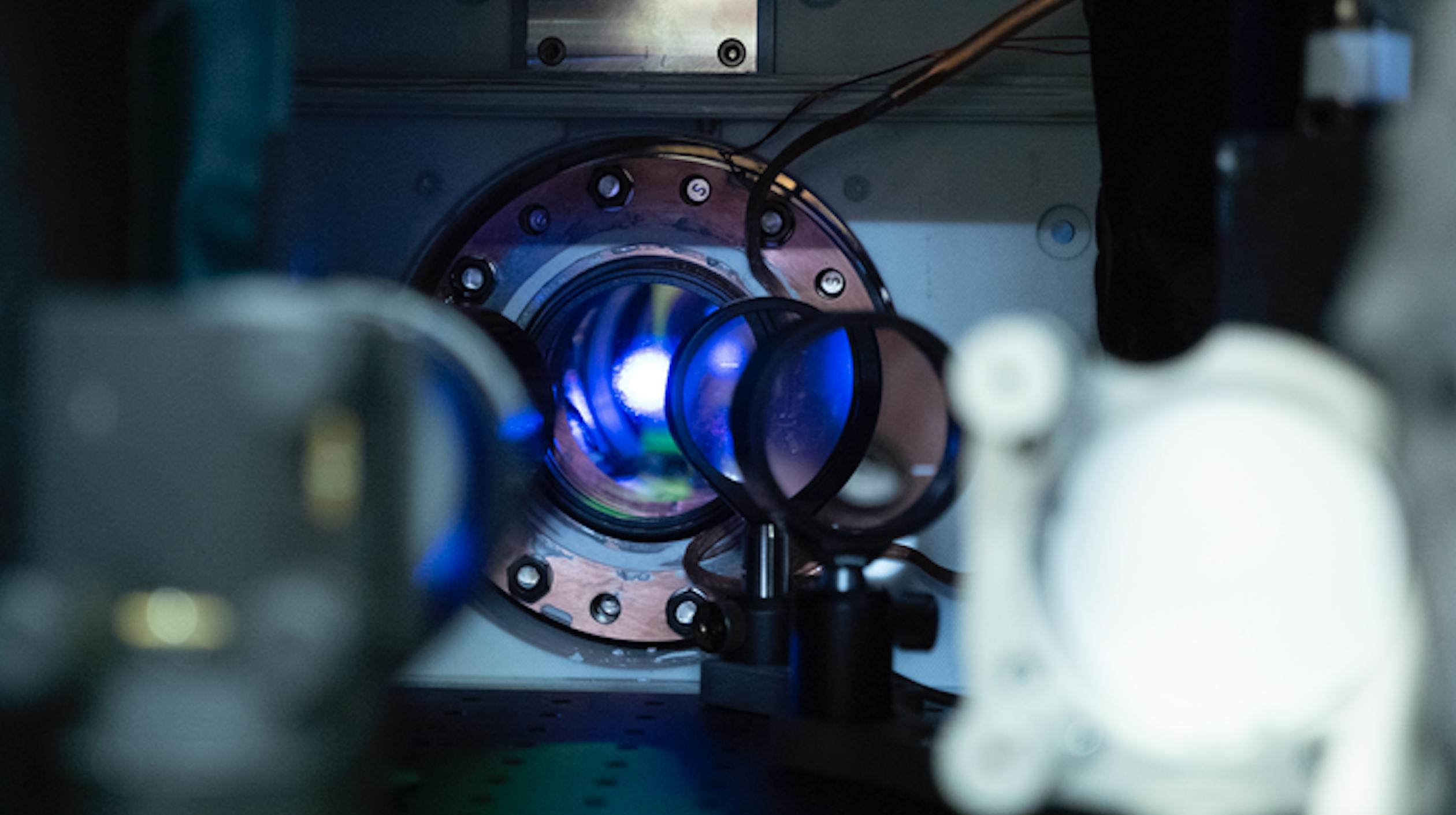
George J. Bugh, an esteemed aerospace defense engineer, embarked on an ambitious seven-year study exploring the boundaries of physics through "free energy" devices, also known as "overunity" devices. This groundbreaking research aimed to uncover whether such devices could indeed harness energy from unidentified sources, and to map out the origins of this energy.
Unraveling the Antigravity Phenomenon
A core element of Bugh's study investigated the claims surrounding devices that purported antigravity effects. The research sought to establish the legitimacy of these claims, the shared characteristics of these devices, and the principles that could make them functional in practical scenarios.
Economy meets Ecology: Viable Free Energy Achieved

One of the study's most striking conclusions is the validation that certain devices have the capacity to generate what is essentially free energy. This finding could revolutionize our approach to energy consumption, potentially leading to an era where economical and ecological interests are no longer at odds.
Forging a Link Between Gravity and Electromagnetism
Furthermore, the study points to the possibility of exploiting the interaction between gravity and electromagnetism to produce what Bugh refers to as electrogravity or antigravity effects. This suggests a future in which gravity may be manipulated with far-reaching implications for technology and travel.
Classical vs. Quantum: A Different Interpretation of Particle Behavior

Breaking from the quantum-focused trend in physics, Bugh applied classical electrodynamics to his theory, proposing a vivid sea of electromagnetic standing waves permeating all matter, as opposed to the abstract probability waves of quantum theory. This sea of standing waves may provide the framework for a more harmonious universe, defying the chaotic descent into entropy and offering a new way to harness energy.
Reimagining Principles of Motion
Delving further into the dynamics of motion, Bugh revisits the ideas of Ernst Mach and Einstein by elaborating on Mach's Principle within the context of his findings. He links inertial resistance directly to electromagnetic forces and suggests that changes in the positioning of mass can induce electromagnetic responses that could lay the foundation for technologies with the potential to counteract gravity itself.
Antigravity: Bridging the Gap Between Theory and Reality
The implications of Bugh's study extend far beyond theoretical discourse. A practical guide, "Spin Wave Technology Initial Release," has been published detailing the research, alongside a call to action for the development of computer simulations that could turn these scientific musings into tangible antigravity applications.
Futuristic Travel: A New Horizon Beckons
The potential for travel, should antigravity become reality, is unparalleled. The means of transportation could be revolutionized, diminishing the reliance on conventional fuels and hotels potentially housing guests in accommodations that defy traditional architectural constraints. The ripple effect on tourism and business travel could be extensive, ushering in an era where journeys are not only faster and more efficient but also ecologically kinder to our planet.
Minneapolis
- Hyatt Regency Minneapolis
- Royal Sonesta Minneapolis
- Hyatt Centric Minneapolis
- Moxy Minneapolis Downtown
- Westin Minneapolis
- Canopy By Hilton Minneapolis Mill District
- Rand Tower Hotel
- Minneapolis Marriott City Center
- Radisson Red Minneapolis
- Hilton Garden Inn Minneapolis Downtown
- Hotel Indigo Minneapolis
- Tru By Hilton Minneapolis Downtown
- Cambria Hotel Minneapolis Downtown
- Hilton Garden Inn Minneapolis University Area
- Ac Hotel Minneapolis Downtown
- Minneapolis Marriott West
- Lofton Hotel Minneapolis
- Four Seasons Minneapolis
- Renaissance Minneapolis Hotel The Depot
- Graduate Minneapolis
- Days Hotel By Wyndham University Ave Se
- Emery Hotel Minneapolis
- Element Hotel Minneapolis
- Nicollet Island Inn
- Hilton Minneapolis