The Dawn of a Legal Battle for Equality

The moment Jack Baker and Mike McConnell stepped into the Clerk of District Court's office in Hennepin County on May 18, 1970, they embarked on a pivotal journey for marriage equality. Facing refusal in their initial bid to obtain a marriage license, the couple's persistent efforts took them to Blue Earth County, where they succeeded in legally binding their love on September 3, 1971. A progressive United Methodist minister, Rev. Roger Lynn, officiated their marriage, marking a significant moment in LGBTQ+ history.
Turbulent Times and Public Sentiments
Amidst legal hurdles, the University of Minnesota witnessed a surge in support for the couple with Baker's election as student body president, despite the regents' removal of McConnell from his library position. The issue drew international attention, with expressions of solidarity flooding in from around the globe. A groundswell of similar marriages ensued, though few bore the legal legitimacy of Baker and McConnell's union.
Decades of Legal Challenges and Victory of Love
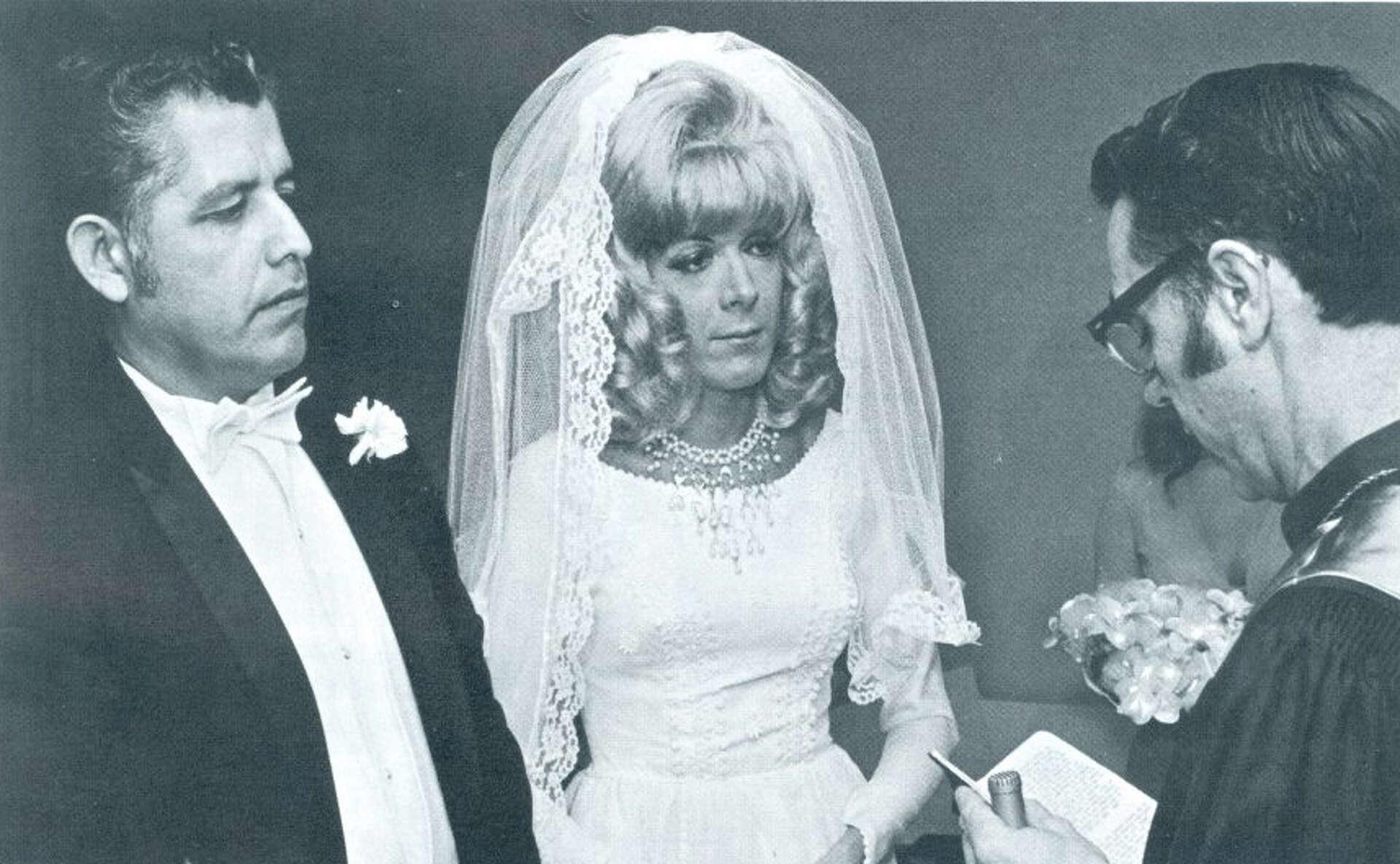
Through the thicket of legal confrontations, including an encounter with the U.S. Supreme Court, Baker and McConnell remained united. Baker, later a practicing attorney, staunchly maintained the legality of their marriage on the grounds of legislative silence on same-sex marriage bans at the time of their union. In parallel, they laid the groundwork for a broader civil rights movement that sought the normalization and legal recognition of gay marriages.
Political Crossroads and Civil Rights Milestones
Minneapolis became an early champion of gay rights legislation, thanks in part to Council Member Ed Felien and the Minneapolis City Council's unanimous action. This pioneering stance influenced political circles and ignited a wave of policy reforms, even as other legislators hesitated to fully embrace gay marriage rights.
The Intersection of Advocacy and Politics

Behind the scenes, activism met social ingenuity as figures like Steve Endean orchestrated influential fundraising events, though the broader inclusion remained contentious. Despite these strides, comprehensive gay marriage legalization was sidelined in state-level gay rights legislation, illustrating the era's political compromises and hesitancies.
Reflecting on Impacts and Ongoing Struggles
The aftermath of these political maneuvers left the University of Minnesota, pivotal in Baker and McConnell's saga, outside the jurisdiction of emerging civil rights protections. While expansive in scope, the enacted laws often failed to address the real challenges faced by the LGBTQ+ community, underscoring the need for a full embrace of marriage rights as central to the equality movement.
Connecting Journeys: Travel and the Evolution of Rights
As we reflect on the history of advocacy and the journey towards acceptance, it is clear that the quest for equality resonates with the essence of travel – an exploration undertaken with hope, resilience, and the vision of reaching a destination of acceptance. Just as cities like Minneapolis have become beacons for civil rights progress, they have likewise evolved into destinations that embody a legacy of change. Travelers seeking not only leisure but also a history of powerful social movements can find in such cities a narrative woven into the fabric of their streets and establishments—a reminder of the courage and determination that fueled the journey for equality.
Minneapolis
- Hyatt Regency Minneapolis
- Royal Sonesta Minneapolis
- Hyatt Centric Minneapolis
- Moxy Minneapolis Downtown
- Westin Minneapolis
- Canopy By Hilton Minneapolis Mill District
- Rand Tower Hotel
- Minneapolis Marriott City Center
- Radisson Red Minneapolis
- Hilton Garden Inn Minneapolis Downtown
- Hotel Indigo Minneapolis
- Tru By Hilton Minneapolis Downtown
- Cambria Hotel Minneapolis Downtown
- Hilton Garden Inn Minneapolis University Area
- Ac Hotel Minneapolis Downtown
- Minneapolis Marriott West
- Lofton Hotel Minneapolis
- Four Seasons Minneapolis
- Renaissance Minneapolis Hotel The Depot
- Graduate Minneapolis
- Days Hotel By Wyndham University Ave Se
- Emery Hotel Minneapolis
- Element Hotel Minneapolis
- Nicollet Island Inn
- Hilton Minneapolis